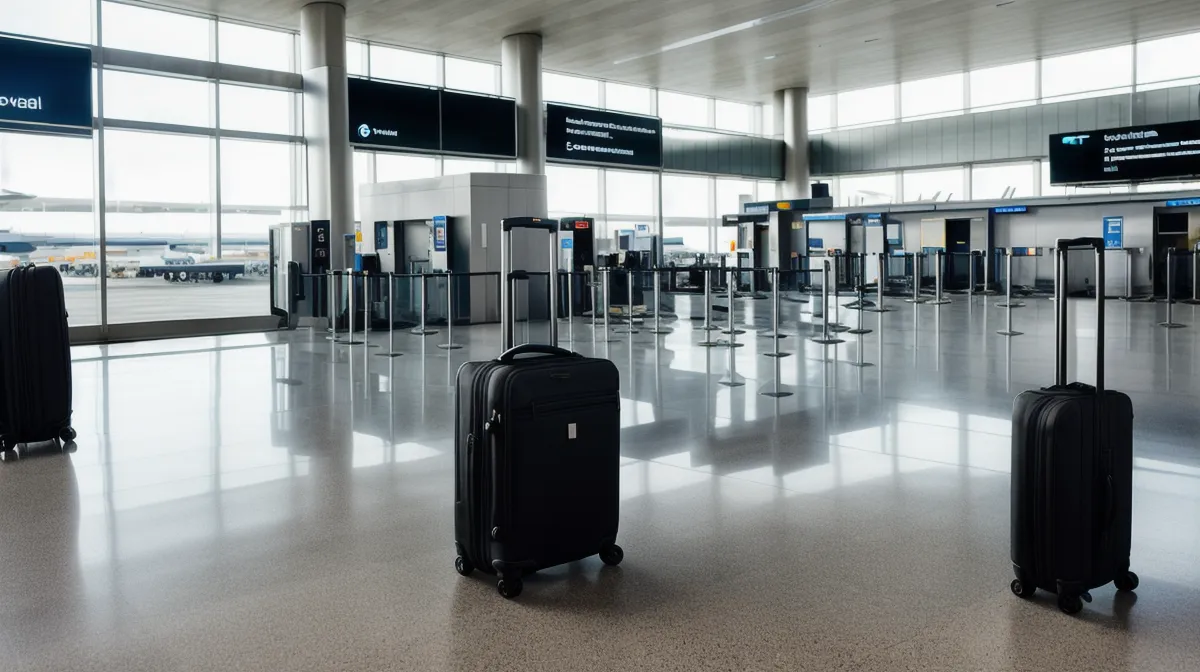
A hybrid backpack-style carry-on and a proper hardshell case solve the same problem in opposite ways: one collapses your whole trip into a single sack you dig through at the gate, the other keeps every item exactly where your hands left it. That difference is most of the story behind why my Briggs & Riley is still rolling after years of business travel, long after two other bags in my rotation gave out first. This site uses affiliate links, and if you buy luggage through one, I earn a commission at no extra cost to you; I only recommend travel gear I've actually dragged through Terminal A at Indianapolis International Airport myself. Full transparency policy is available here. Whether a given trip even calls for a carry-on at all, versus checking something bigger, is its own decision tree covered in my system for deciding between carry-on and checking a spinner — but once carry-on is the answer, this is less a sales pitch than a durability test: a look at what's actually held up on this case, trip after trip, instead of what the box promised.
One reader, Marcy Bellew, once told me she won't trust a luggage review that skips the part where something went wrong first, and that's a fair standard to hold any of this to. So here's what didn't survive before this case entered the rotation: a backpack-style hybrid carry-on that promised wheels when you wanted them and straps when you didn't. In practice, gravity always wins in a bag built like that — pens, cables, the paperback that never got finished, all of it migrated to the bottom of the main compartment, and every security line turned into an excavation project.
What 'Durable' Actually Means for a Business-Travel Carry-On
Durable doesn't mean pretty after a year of this. It means three specific things keep functioning under repeat abuse: the wheel bearings roll straight instead of drifting toward whoever's walking next to you, the zipper track doesn't separate the first time you overpack by an inch, and the shell doesn't crack the moment a handler stacks something heavier on top of it. Judge a carry-on against those three checkpoints before you judge it on looks, and most of what gets marketed as travel-ready falls apart fast. Wheel construction alone is a deep enough topic for its own breakdown — there's a real hierarchy in bearing quality — but for this review, what matters is how the spinner wheels on this specific case have behaved trip after trip.
Ballistic Nylon Versus the Hardshell Trend
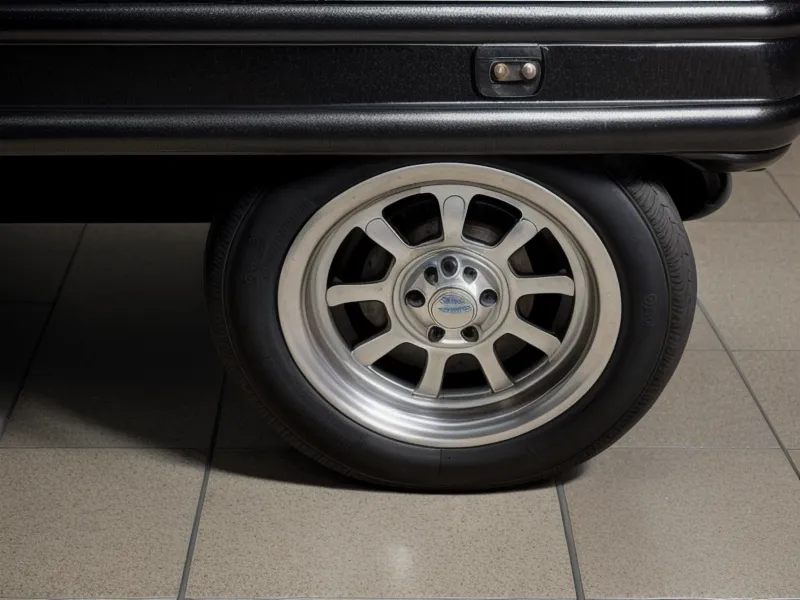
What years of hauling this exact Briggs & Riley case through jet bridges has shown me starts with the material: 1680D ballistic nylon, a fabric developed originally for flak jackets. The softside-versus-hardshell debate underneath that is really a sneaker-versus-hiking-boot argument dressed up in fabric specs — a whole separate comparison I won't re-litigate here — but this fabric shrugs off scuffs that would crack a polycarbonate shell outright. Hardshells look sharp in an ad and then show every scratch as a spiderweb crack the first cold morning makes the plastic brittle; this fabric just picks up a little texture and keeps going.
Testing the CX-2 Compression System
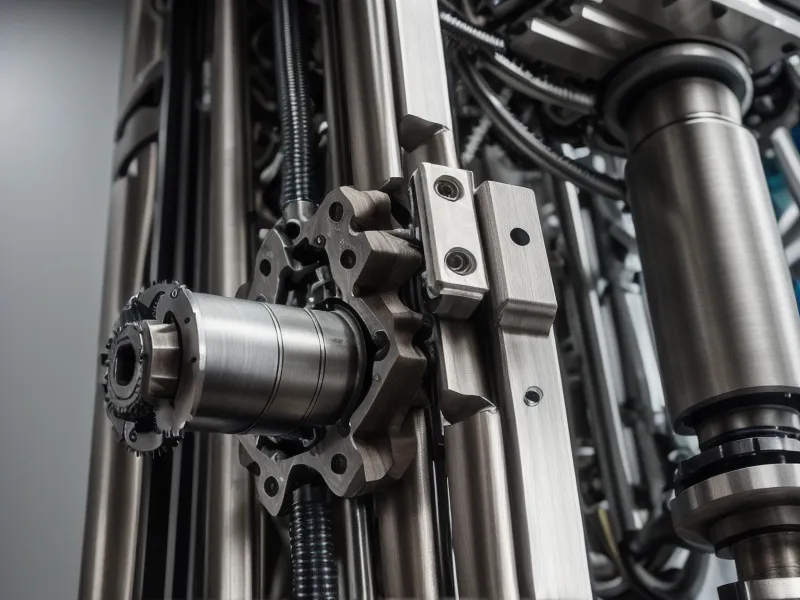
Pack the case full for a multi-day run of client meetings — heavy sweaters, an extra pair of shoes, dress shirts, all of it still inside standard carry-on dimensions — press down on the lid, and the CX-2 hinges ratchet the whole thing back toward its original depth with a mechanical click that sounds more like closing a toolbox than zipping a suitcase — that's the compression system doing its actual job, not a gimmick on a spec sheet. Unzip this case at midnight in a hotel room after a delayed connection and the dress shirts sitting on top still look the way they did before sunrise that same morning, uncreased, because the compression keeps the load from shifting the way it would in a soft-sided bag. The full mechanics of how that ratchet is engineered belong in their own writeup; the short version here is that it keeps working trip after trip, not just out of the box.
My own packing order barely changes trip to trip, which is its own habit worth writing up separately, but the point that matters here is that compression only helps if you're not already fighting the instinct to overstuff before you've even reached for the straps. There's a real tradeoff, too, between the packing volume you get from a rigid frame like this and the extra few inches a flimsier, flexible bag lets you cheat, but the Briggs & Riley won't bow the way a soft bag will, so it forces some discipline in exchange for keeping your clothes flat.
Does Gate-Checking Kill a Bag's Wheels and Zippers?
Regional jets like the CRJ-200 force the question whether you want to answer it or not — the overhead bins barely fit a laptop bag, so anything larger gets tagged at the gate and handed down to the tarmac crew. Gate-checking is its own can of worms for what it does to wheels and zipper pulls over time, and that's a longer answer than fits here. What I can report from doing this specifically out of Terminal A at Indianapolis International Airport is that a case built like furniture survives the transition better than a case built like a large tote: I watched mine get set down hard on wet pavement and left there while the ramp crew finished loading, and the zipper track never hesitated when I opened it planeside. Flight crews I know favor a lighter Travelpro for exactly this kind of grind, and I've written separately about why I choose Travelpro for heavy use on regional routes when shaving weight off your shoulder matters more than shrugging off a hard landing.
The Warranty Fine Print That Actually Matters
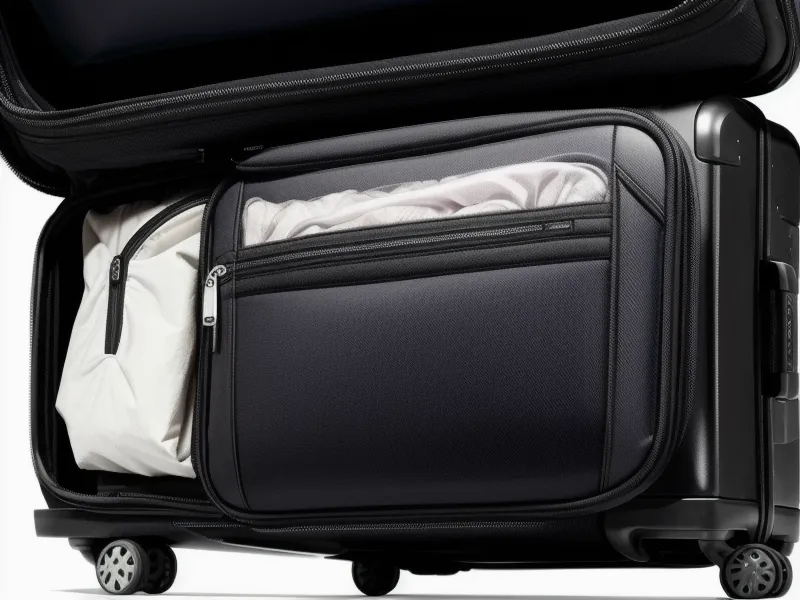
The warranty on this line explicitly covers damage an airline causes, not just factory defects, which is a distinction most shoppers never think to ask about until a wheel is already in the gutter. Whether the math on a lifetime warranty actually pencils out over the years you'll own a bag is a longer calculation than fits in a paragraph, so that one gets its own post. For travelers who'd rather skip the overhead-bin fight altogether, Luggage Forward ships gear ahead so it's waiting at the hotel instead of riding with you — a genuinely different tool for a different problem, not a substitute for a good carry-on. And if the premium price tag on a case like this is the sticking point, LEVEL8's aluminum-frame models get you most of the way there on looks and shrug off plenty of bin punishment themselves, even without the compression hardware that makes a Briggs & Riley what it is.
The Durability Test: How This Bag Held Up, Trip After Trip
Wear on this case, years in, shows up in exactly one place: light scuffing on the bottom edge near the wheels, cosmetic rather than structural, while the zipper pulls and frame corners look the same as the day I bought it. The deeper story of what separates a good zipper pull from a bad one is a topic for another day, but on this case it's still smooth every time. Sizing for the overhead bin is its own maze depending on the aircraft, worth a dedicated reference chart rather than a paragraph here, but this case has never once triggered a second look from a gate agent hunting for space.
My colleague Roz still tucks an extra tote under her arm on every trip even though it technically breaks the personal-item rule, and half the time I think she's onto something — the gap between a good carry-on and a bad one is exactly how much cheating like that it saves you from having to do. If you fly enough that your current bag has already started making promises it can't keep, this is the one I'd point you toward before anything else on the market — not because it's flashy, but because the parts that matter keep working long after the bags around it have been replaced twice over.
Briggs & Riley
Pros
- ✔ Lifetime warranty that actually covers airline-inflicted damage
- ✔ CX-2 compression system lets you pack 20% more and then shrink it to size
- ✔ 1680D ballistic nylon is virtually indestructible against jetway scuffs
- ✔ Outer handle design provides a flat interior packing surface for fewer wrinkles
Cons
- − Heavier than minimalist hardshell alternatives
- − Premium price point is a significant initial investment