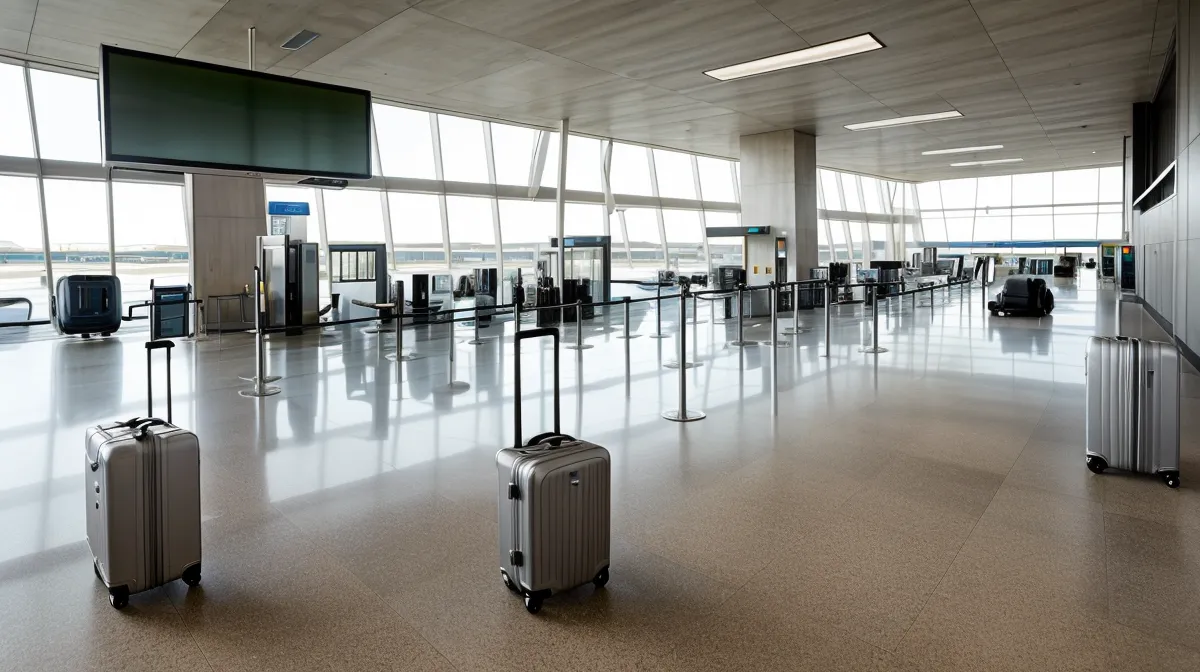
The guy ahead of me in the security line is down on one knee, forearm-deep in a hardshell suitcase, digging for a laptop buried under two pairs of shoes and a tangle of charging cables. Everyone behind him is doing silent math on whether they'll still make their gate. That used to be me — years of flying business trips every other week will turn anyone into a connoisseur of bad carry-on design — until I started building my rotation around bags with a dedicated laptop compartment instead of the usual clamshell excavation. A laptop-specific carry-on doesn't just shave thirty seconds off airport security; it changes how the whole bag has to be built, from the latch down to the wheels, and that's worth walking through before I get to the aluminum shell everyone keeps asking me about.
Quick housekeeping before the review: this site runs on affiliate links, so if you end up buying luggage through one of mine, I get a small commission and you pay exactly the same price. I only put a bag through its paces here if I've actually dragged it through a jet bridge myself, which is how the LEVEL8 ended up on my rolling rack for the last several months.
The Laptop Compartment That Actually Earns Its Keep
My basement has a shelf of carry-ons that didn't make the cut, mostly bags that looked fine in a store and fell apart under an actual travel schedule. What they all shared was the same design flaw: one giant clamshell opening, so pulling a laptop out for TSA screening meant laying the whole bag flat, unzipping it completely, and pawing through folded shirts while the line backed up behind me. A front-loading laptop hatch skips all of that — you unzip or unlatch one slim pocket, the laptop comes straight out, and the rest of your packing stays exactly where you left it. That's the entire case for this category of bag: it's not about looking sharp at the checkpoint, it's about not becoming the reason the line stalls, and once you've stood in enough of those lines you start valuing that thirty-second difference more than almost any other feature on the bag.
Finding a bag that actually delivers on that promise took a few rounds of trial and error, which is how the aluminum-frame LEVEL8 models landed in my rotation. I wanted something that could survive the overhead-bin squeeze of a regional jet without needing surgery in the middle of a connecting gate, and regional jets shrink those bins just enough to turn bag sizing into its own small gamble, a question I've chased down in more detail elsewhere on this site.
What Changes Once the Shell Is Aluminum
Switching over from my old soft-side Travelpro was the first real adjustment. That bag had been a dependable workhorse for years, but the LEVEL8 is a different kind of tool entirely. The hardshell-versus-softside debate is a whole separate conversation I've had elsewhere, but the short version is that one flexes and one doesn't, and packing an aluminum shell means thinking more like you're loading a drawer organizer than stuffing a duffel.
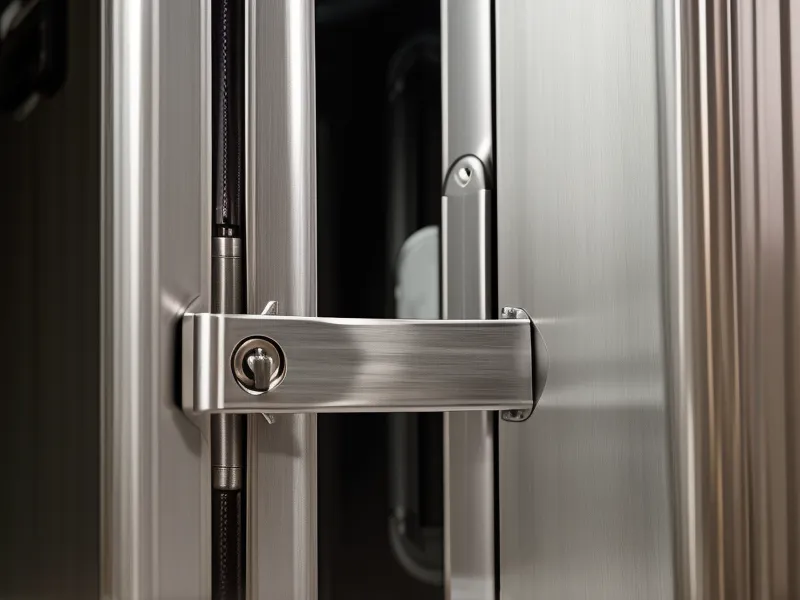
There's a specific, muted thwack to the magnetic closure on the laptop sleeve that beats the frantic rasp of fighting a stuck zipper; it's a small sensory win, but it matters on your fourth flight of the week. I'll still take a well-built zipper pull over a cheap one any day, though that's a different argument for a different post. The tradeoff nobody mentions in the marketing copy is that the front-access hatch eats into your usable packing volume — it acts like a bulkhead, so if you're someone who stuffs every cubic inch, you'll feel the squeeze.
I found that out the hard way one afternoon after cramming the front pocket with an external battery and a folder of contracts, which bowed the shell just enough to make the latch stick at the security bin, a genuinely embarrassing thirty seconds. A jammed zipper mid-trip is its own five-alarm problem, and there isn't much you can field-fix from a hotel room floor, so the aluminum rigidity cuts both ways: no give when you overpack, but also nothing that fails quietly the way a soft-side seam can.
Wheels, Weight, and the Long Walk Between Gates
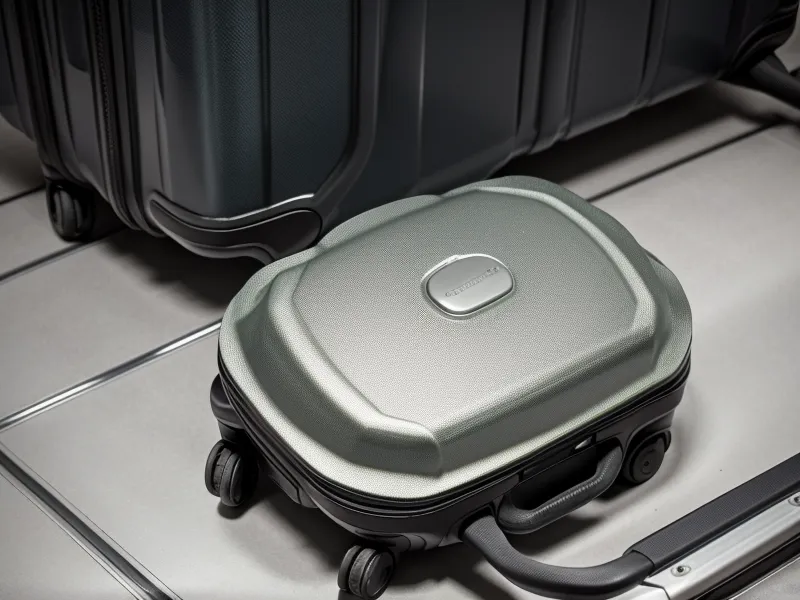
Readers who've seen my notes on why your spinner wheels keep failing after a year of business travel know I'm particular about the 8-wheel setup. An 8-wheel spinner rolls differently than the old 2-wheel roller design for reasons that go beyond looking fancier on a shelf, and how the bearings themselves get built, with sealed cartridges versus exposed axles, is a rabbit hole I'll save for that other piece. What I can say here is that dragging a spinner across torn jetway carpet or a curb cut stresses those wheels in ways a smooth hotel lobby floor never will, and the LEVEL8's bearings shrugged off both without picking up the grinding rattle I've heard from cheaper bags.
By week eight of rotating this bag through every trip, a long walk between concourses in Atlanta made the difference obvious — the bag tracked straight behind me instead of veering toward the down-slope the way a tired wheel will. Six months in, rolling it across the tile during a layover at Midway, the wheels still spun as clean and quiet as they did in week one, which outlasts most budget hardshells before something starts grinding. Every airline also measures its overhead allowance a little differently, and a couple of carriers have started weighing carry-ons right at the gate on domestic routes now, so a size reference chart is worth keeping handy instead of trusting memory on either front.
My neighbor Trent flies maybe once a month for work, a much lighter schedule than mine, and when he complained about his handle feeling loose on a completely different bag, it turned out to be the first real sign the frame underneath was starting to give, a reminder that component failures rarely show up where you'd expect first, and that a once-a-month flyer wears a bag very differently than someone doing it every other week. I run a slim laptop backpack as my personal item underneath all this, and matching the right backpack to the right carry-on is its own small puzzle worth sorting out separately.
The First Dent Didn't Change My Mind
Close to four months into heavy rotation, a rainy evening forced a gate-check onto a tiny regional jet, and that's where aluminum luggage shows its real personality. Polycarbonate flexes and pops back into shape; aluminum takes the hit and keeps the story, so my bag came home with its first real dent on one corner. It didn't touch the structural integrity, and how an aluminum shell actually gets assembled, including the riveting and frame gauge, is a deeper mechanical question than this review needs to answer. What mattered in the moment was simpler: the shape held, the latch still closed clean, and the dent became more of a badge than a flaw.
It also reminded me this isn't a Briggs & Riley, which backs its bags with a lifetime warranty generous enough to cover airline-handler damage — a benefit worth more in real dollars than most people assume once you price out what a few years of jetway abuse actually does to a frame. Briggs & Riley's compression system is its own trick for squeezing in another shirt without blowing out a zipper, and it deserves its own look sometime. If a scuff-free bag matters more to you than a laptop hatch, my field notes on soft-side vs hardshell luggage cover that tradeoff in more depth than I will here.
I've also written about why the zippers on my LEVEL8 last, and months later the hinges and latches on the frame version still feel solid — a different kind of durability than plastic's bounce-back, closer to the rigidity of a tool chest. For a while I tried sidestepping the whole carry-on question on multi-city trips by shipping a sample case ahead through FedEx instead of hauling it through security myself, and that experiment mostly failed — three times out of four, the hotel front desk had no record of the package when I showed up, which taught me fast that getting a box to actually wait for you at a front desk is its own logistics problem, separate from whatever a carrier would even owe you if the case went missing entirely.
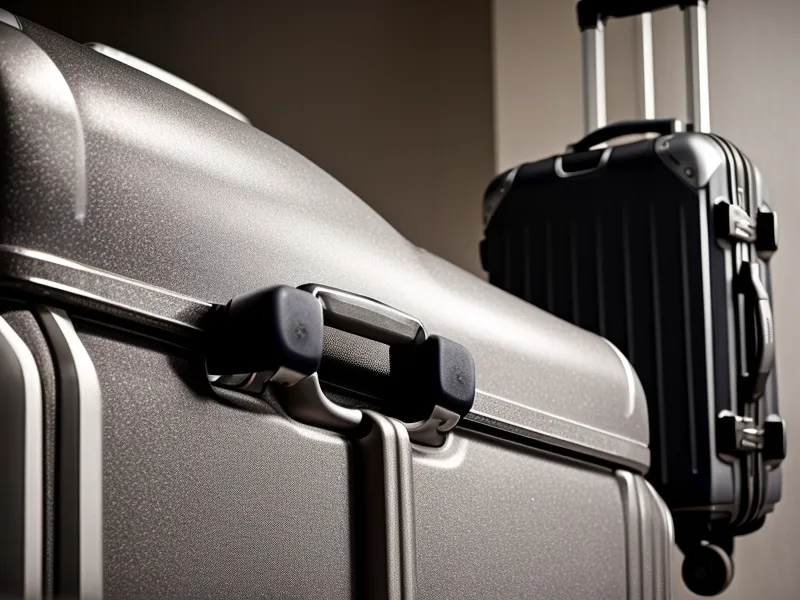
So Who Should Actually Buy This Bag
Choosing a carry-on with a laptop compartment really comes down to how much thirty seconds at the security belt is worth to you. Road-trip-car travelers who need two weeks of clothes crammed into one carry-on will find the front hatch frustrating, since it eats into exactly the space they need most. Daily-driver travelers — Monday to Friday, hotel to client meeting — tend to find the speed addictive enough that the smaller packing volume stops mattering within a trip or two. None of this applies if you're the type who checks a bag on every single flight anyway, in which case the whole carry-on-versus-checked debate is moot and you should skip straight to whichever hardshell survives baggage handlers best.
The LEVEL8 isn't perfect, but it solves the specific problem of a packed security line without the heart-stopping price tag of the luxury aluminum brands it borrows its look from, and the 8-wheel system is one of the smoothest I've tested all year. Paying a shipping service to send bags or sample cases ahead still makes sense for oversize gear on the right multi-city trip — though reading the fine print on what a carrier actually owes you if a shipped case goes missing is worth doing before you lean on it. If you fly every other week, the relief on your shoulders and the lack of zipper drama are worth the tradeoff in packing space.
If the goal is breezing through security without unpacking your whole life onto a gray tray, the LEVEL8 is the one to get. If you're the type who always needs 'just one more shirt' and doesn't mind the clamshell struggle, a soft-side Travelpro — Travelpro alone has enough tiers between the Maxlite and the Platinum Elite that picking one is its own separate decision — or a tougher Briggs & Riley will probably serve you longer. For me, I'll take the thwack of the magnetic laptop latch over all of it, every single time, and I'd check current pricing directly since it tends to move with the season.
LEVEL8
Pros
- ✔ Aluminum-frame models give you Rimowa-style aesthetics at a fraction of the cost
- ✔ Quiet spinner wheels with smooth precision bearings for zero-effort terminal walks
- ✔ Front-loading laptop compartment makes TSA lines significantly less stressful
- ✔ US-based customer support with actual phone access for troubleshooting
Cons
- − Aluminum dents permanently rather than flexing like polycarbonate
- − Front-access hatch reduces the total internal packing volume
- − Frame construction offers zero flexibility for overpackers