
A hardshell carry-on two carts up from mine buckles the instant it clears the carousel lip, not a bang, just a dry crack, like a branch giving way underfoot, and by the time it reaches the belt, the corner has caved in and a seam is leaking someone's shirt sleeve through the gap.
That's the hardshell pitch in miniature: a shell tough enough to shrug off whatever a ramp crew throws at it. Eleven years of flying every other week for work makes that pitch look backward on actual carry-on durability for business travel, not a once-a-year beach trip. This site runs on affiliate links, and if you buy a bag or a shipping service through one, I earn a small commission at no extra cost to you — including through Briggs & Riley, a brand I've now dragged through more snowy jet bridges than I can count. The short version of the transparency policy: nothing below gets recommended because it paid for the privilege.
The common wisdom holds that a rigid shell is simply the sturdier buy — glass-smooth, dent-resistant, built like a cooler. For a schedule that actually tests a bag against gate agents, jet bridges, and the regional-jet bin lottery, that wisdom runs backward. Soft-side wins the durability argument for frequent flyers, and the reason has less to do with the fabric looking indestructible and more to do with what happens once a bag eventually loses a fight it can't avoid.
The Hardshell Durability Myth That Doesn't Hold Up at Every-Other-Week Mileage
My neighbor Denny Abara talks about suitcases the way he used to talk about freight loads back when logistics consulting paid his bills — as a load-tolerance problem that happens to have a handle bolted onto it. He said a version of that to me in the parking lot at the Broad Ripple Farmers Market, apropos of nothing, while I was loading groceries next to my latest dead spinner, and it's stuck with me since.
I learned the expensive version of that lesson with a sale-rack Samsonite I picked up at an outlet store, convinced a good enough deal made the brand irrelevant. The corner seam split after about eight months of regional-jet abuse — not a dramatic failure, just a slow separation that widened every trip until a zipper pull finally gave out too. It wasn't a workhorse so much as a countdown timer with wheels.
What Does a Soft-Side Carry-On Actually Get Right?
A stretch of three-day sprints across the Midwest went to a Briggs & Riley soft-side specifically to see whether the fabric held up outside the sales copy. Most of the soft-side bags worth owning are built from ballistic nylon, usually in a 1680-denier weight, which behaves less like luggage fabric and more like a steel-toe work boot — it scuffs instead of splitting, and the scuffing is basically cosmetic. The honest answer is yes, with one asterisk: fabric doesn't shield fragile cargo quite as well as a shell does, so it's a tradeoff, not a free win.
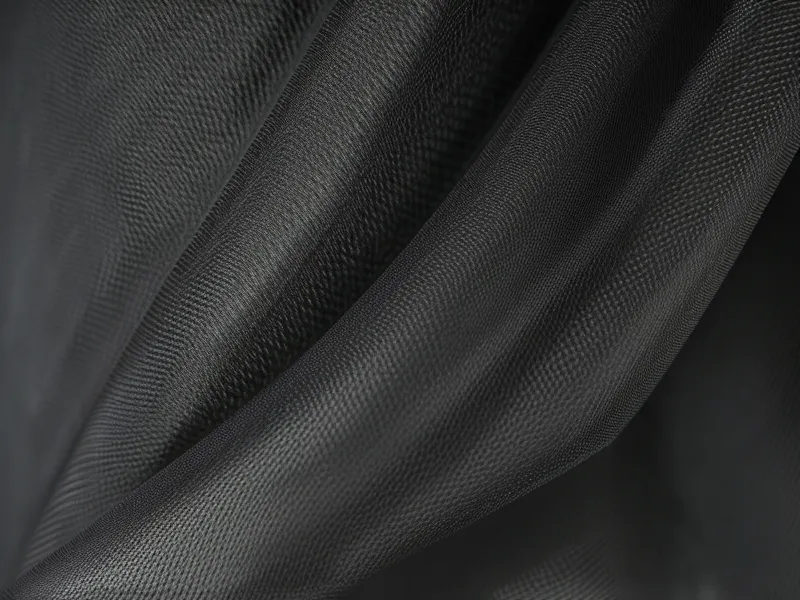
On one layover with freezing rain coming in sideways, my bag sat exposed on a luggage cart for a good twenty minutes before anyone loaded it. A hardshell would have wiped clean, but a treated soft-side sheds that kind of moisture almost as well, and when the gate agent called the last several rows for a forced gate-check because the bin was full, I didn't flinch — fabric absorbs a cargo-hold toss instead of transmitting it straight into whatever's packed inside.
There's also the compression rack, the kind where you pack the bag expanded, then push down until everything locks with a mechanical snick — it turns an overstuffed mess into something closer to a dense brick, the same way a good drawer organizer turns a sock drawer from chaos into order. You can read more about why this Briggs and Riley suitcase still works years into that kind of treatment.
Hardshell Carry-Ons Still Earn Their Keep in a Few Specific Spots
Hardshells haven't earned a permanent ban from me. A stretch midsummer went to running a LEVEL8 aluminum-frame model, mostly because some meetings call for looking like a professional (not like someone fresh off a hiking trail with a battered duffel). There's a precision to how a good hardshell rolls, quiet spinner wheels with real bearings underneath instead of a loose plastic caster, that makes it feel like a knife through butter on a smooth terminal floor.
A reader named Clifton Pryke, who's emailed me more wheel comparisons than anyone else on my list, still won't touch a spinner at all — he packs a garment bag exclusively and treats floor debris as an engineering problem, not a matter of taste, which is its own argument for why wheel choice depends on the floors you actually roll across more than brand loyalty. Unlike polycarbonate, which is designed to flex and spring back, an aluminum panel dents permanently — every scuff becomes a permanent record of the one bad connection where a handler was having a rough day.
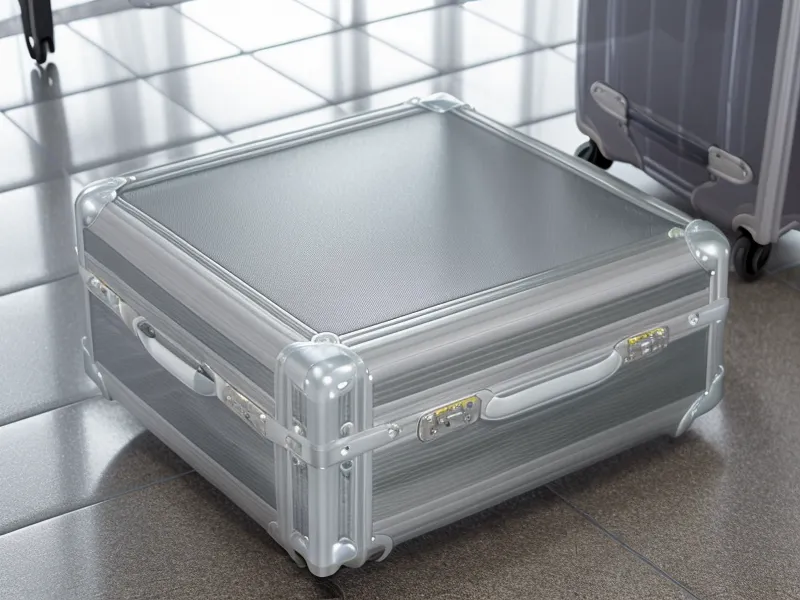
The clearest proof came on a regional jet small enough to force a gate-check I couldn't dodge. The bag came back with a spiderweb crack near the wheel housing, which was a useful reminder that "unbreakable" is marketing copy, not a physical property. If the shell is the weak point, the hardware sometimes isn't — there are notes on why the zippers on my Level8 carry on have actually managed to outlast the shell around them.
Does a Rigid Shell Really Protect More Than It Costs You in Space?
Here's the part the glossy luggage ads skip entirely: a hardshell actually limits how much you can carry, not the other way around. Fixed dimensions sound like an advantage until you realize they cut against anything resembling compression packing. Soft-side fabric has give. Pack it dense with cubes and the exterior bows out a little to absorb the pressure, the same way a cast-iron skillet forgives heat that would warp a cheap nonstick pan. A hardshell doesn't negotiate. Push the internal volume past what the shell allows and the zipper takes all the strain instead, which is how a seam blows at six in the morning in a hotel room two states from home.
I can regularly pack somewhere around a fifth more into a soft-side bag just by negotiating with the fabric instead of fighting a shell that won't budge a millimeter. That matters most on the trip where you're bringing home a bulky sweater or an extra set of files you didn't plan for. If you're gambling on whether a bag will actually fit the bin on a small regional jet, why softside luggage fits better in small regional jet overhead bins gets into that specific math.
How I Decide Which Bag Earns the Overhead Bin
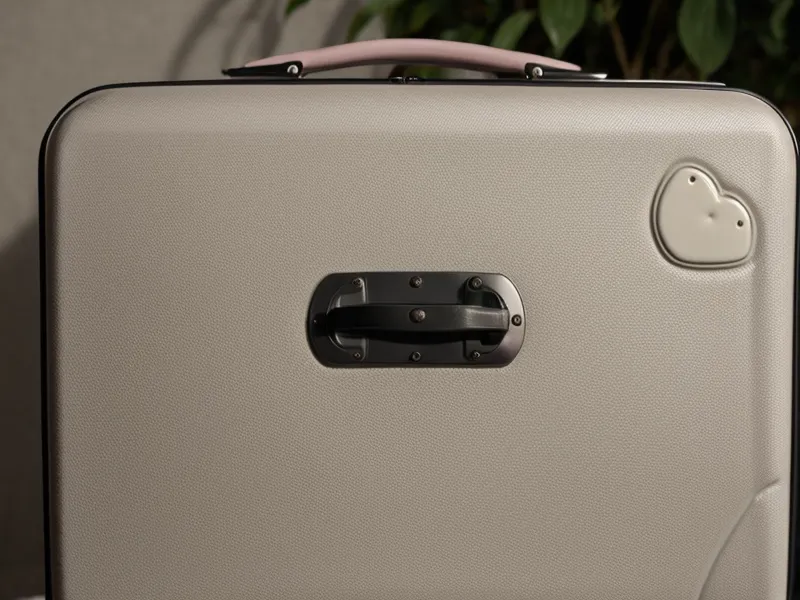
The actual decision rule is boring and I use it anyway: if the trip is under four days and I'm flying regional jets with small bins, soft-side goes, no exceptions, because the aisle is tight and the bin is tighter. That choice registered the day I hoisted a packed bag into an overhead bin without the usual wince in my shoulder — it felt oddly light for how full it was, which is the soft-side give doing exactly what it's supposed to do. Hardshell comes out for trips where I know I'm checking it anyway, or where the meeting matters enough that looking sharp outweighs the risk of a gate-check crack.
Sometimes the whole carry-on question is beside the point, because the trip is too long or the gear's too heavy for a twenty-two-inch box to begin with. For family trips or multi-week client runs, I've stopped gambling on the carousel altogether and started using a door-to-door shipping service like Luggage Forward instead. It needs a few days of ground-transit buffer, so it's useless for a same-week trip, but walking past baggage claim while everyone else waits for a hole in the wall to produce their life back is its own reward. The math on shipping your bags against rising checked-bag fees is worth running before you write the idea off.
Match the Bag to the Flight Pattern, Not the Outfit
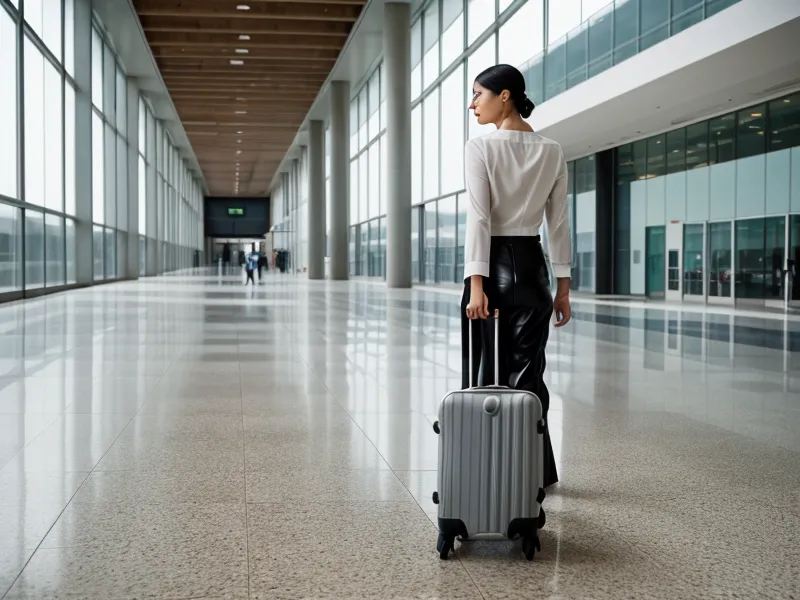
Fly once a year for a beach week and the hardshell that matches your shoes is a perfectly good call — it'll look sharp in the terminal and probably survive the round trip intact. Fly every other week on the kind of schedule that chews through gear, and the better question isn't which shell survives longer, it's which bag can actually be repaired when it eventually loses. That's the real case for Briggs & Riley: a warranty that covers damage an airline causes, not just a factory defect, which matters more than denier counts or aluminum grades once you've replaced two or three bags in a decade.
A bag that gets fixed beats a bag that gets replaced, every time I've tested the theory. I'd rather travel with a scuffed nylon workhorse that clicks shut on command than a flawless hardshell waiting for the one connection that finally cracks it. Pick the one built to survive your actual schedule, not the one that photographs well sitting still in the overhead bin.