
Half an inch was the gap between boarding with my bag and watching it get gate-tagged — that's how far a set of overstuffed packing cubes pushed my rollaboard past the sizer cage at Indianapolis International Airport, and it's the kind of detail no spec sheet ever mentions. Real carry-on durability shows up in moments like that one, not in a press release, which is why I finally ran Briggs & Riley and Travelpro through an actual carry-on comparison instead of trusting either brand's homepage copy for a piece of business travel gear I depend on every other week.
Quick disclosure up front: a few of the links below are affiliate links, and I earn a small commission if you buy through one, at no extra cost to you. Every bag mentioned here is one I've actually owned or borrowed and dragged through a terminal myself — nothing on this list is a paid placement wearing a review costume.

Carry-On Build and Weight: Furniture-Grade Nylon Versus a Daily Driver
Pull a Travelpro out of its box and the first thing you notice is how little it weighs — it's the sedan of carry-ons, built for someone tired of muscling a bag into a bin that's already three inches too shallow. A Briggs & Riley feels like a different category of object. It's wrapped in ballistic nylon, and the extra weight is obvious the moment you lift it off a luggage cart.
Whether you want that kind of structure in a hardshell or a softside case is its own separate argument, and both bags in this comparison sit on the softside end of it. Both also land inside the standard 22 x 14 x 9-inch carry-on allowance, but they spend that space differently: Travelpro leaves you air and room to breathe, while Briggs & Riley uses nearly every millimeter for reinforcement instead of storage. That extra structure is exactly what shrugs off a curb or a luggage-cart corner instead of denting under it.

How the Zippers and CX-2 Expansion Hold Up Under Real Packing
Both brands run YKK zippers rather than the unbranded kind that come standard on bargain bags, and that's the first thing I check before any bag makes this list. Briggs & Riley stacks a CX-2 expansion system on top of that hardware — internal struts instead of a wrap-around zipper, buying room for another shirt or two without the bag ballooning into a lumpy accordion.
None of that engineering is worth much if it can't survive a hotel-room repair, though. A zipper slider that snags mid-trip is a fixable problem on either brand with a screwdriver and ten minutes, and I've laid out the exact fix for a stuck slider in its own post rather than repeat it here.
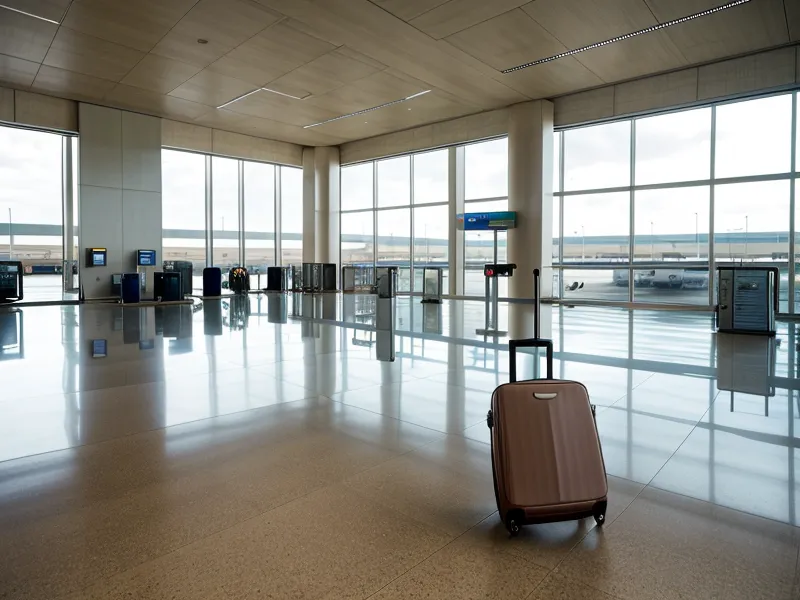
Six Months of Wheels, Tile, and Forced Gate-Checks
Wheel quality is a rabbit hole on its own — hub design, bearing quality, whether you're dealing with a replaceable four-wheel spinner or an older two-wheel inline setup — and I've broken all of that down elsewhere instead of cramming it in here. Six months into rolling both of these bags through Midway and every regional airport since, the wheels on both are still smooth against the tile: no wobble, no grinding hum on a straight pull.
That smoothness gets tested hardest at the gate, not in the cabin. Anyone who's had a full flight force a last-minute gate-check already knows that gate-checking your carry-on ruins your wheels and zippers faster than years of ordinary overhead-bin use ever will, and that scenario is what actually separates a durable bag from one that just looks sturdy under showroom lighting. There's a weight-versus-capacity tradeoff underneath all of this too, plus a separate question about which bags fit the smaller overhead bins on a regional jet — both are their own conversations, so I'll point you toward those posts instead of squeezing a second article in here.
Warranty and Repair Say More About a Bag Than the Spec Sheet
Here's the short version of the warranty story, since I've already picked apart the fine print in a dedicated piece: Travelpro reserves handler-damage coverage for its higher Platinum Elite tier rather than the whole lineup, while Briggs & Riley's lifetime coverage includes that kind of damage across the entire line. That single difference is why some road warriors treat the Briggs price tag as a toll rather than a splurge.
Getting a bag to an authorized repair center is its own small logistics puzzle, not unlike shipping gear ahead to a hotel before a meeting — a topic worth its own post rather than a paragraph here. Travelpro's modular design at least lets you swap a wheel or a handle yourself in a hotel room with a screwdriver, which matters more than a lifetime warranty does when you're stuck in a city without a repair center nearby.
Which One Should You Actually Buy?
My neighbor Trent asked me at a block party a while back which carry-on to buy for a new job that had him flying about once a month. Travelpro was the easy answer — his bag absorbs a fraction of the punishment mine does, so a lighter, less expensive option makes more sense at that pace. My friend Geneva, who I still run into on the conference circuit a few times a year, thinks this whole carry-on-only habit is a little unhinged and checks a bag every single time without a shred of guilt, and honestly, her approach isn't wrong for someone who isn't racing through a tight connection.
For someone flying every other week, the math changes. The Briggs earns its price the way a good hiking boot earns its price over a pair of sneakers you'll replace every year — you don't feel the difference on day one, you feel it well into year two. How you pack the thing matters almost as much as which shell you buy, and that's a whole separate system I use for client trips; if you're regularly hauling a suit instead of folded shirts, garment transport is its own decision tree I won't try to squeeze in here either.
If you want out of the softside argument entirely, aluminum-shell carry-ons like LEVEL8 are the third option worth knowing about — a different trade-off where dents replace scuffs. I only really clocked that dent problem on a test bag once late-afternoon sun hit it at an angle through a terminal window, lighting up a hairline crack in the corner that the overhead fluorescents had been hiding for weeks.
For family trips where the whole crew is traveling and the carry-on math stops working entirely, I've started using Luggage Forward to ship the bulky stuff ahead instead of fighting four people's worth of overhead bin space. It's a different tool for a different problem, not a substitute for picking the right daily carry-on.
If you're in the air more than you're home, buy the tank and let the warranty do the worrying for you. If you fly a handful of times a year, the lighter bag will serve you fine and you'll never miss what you didn't pay for. Either way, skip the clearance-rack spinners — a bag that quits early costs more than the one that costs more today.