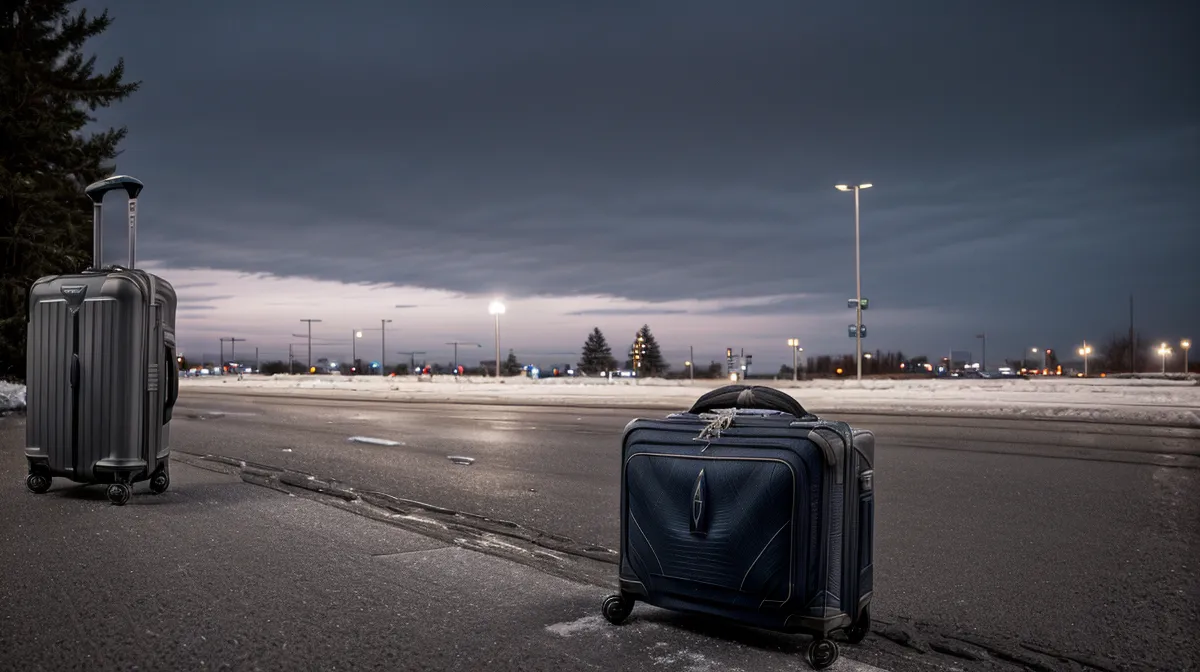
The front-right wheel catches, judders a quarter turn, and stops dead — right as I'm hauling my carry-on across a crosswalk with the light already changing. That's the moment every regional flyer with a Travelpro spinner eventually meets somewhere between the first hard freeze and the spring thaw: wheels that roll fine on airport tile suddenly fighting you on salted pavement. Winter travel does something to spinner wheels that luggage durability marketing never mentions, and once you've flown enough routes through it, you start treating a bag's wheels the way you'd treat tires on a car you drive all year — with a healthy dose of suspicion.
Quick disclosure before any of the comparisons: this site runs on affiliate links, and if you buy a bag or a shipping plan through one of mine, I earn a small commission at no extra cost to you. Eleven years of flying every other week means most of this gear got bought with my own money first, and the opinions came before any affiliate relationship did.
Most of what I actually know about this started outside The Fashion Mall at Keystone, watching how fast the sidewalks go white with rock salt once Indianapolis hits its first hard freeze. A spinner rolling through that stuff for an entire season is basically a science experiment nobody signed up for.
Exposed Spinner Wheels in a Real Winter
My Travelpro Maxlite is the bag actually doing this work, and its whole pitch is weight — it's one of the lightest soft-side carry-ons in its price range (you notice the difference by the second flight of the day). Some of that weight savings comes from bearings that sit closer to the surface instead of buried under a sealed housing, which is great for your shoulder in the overhead bin and less great once salt starts working its way into the pivot points.
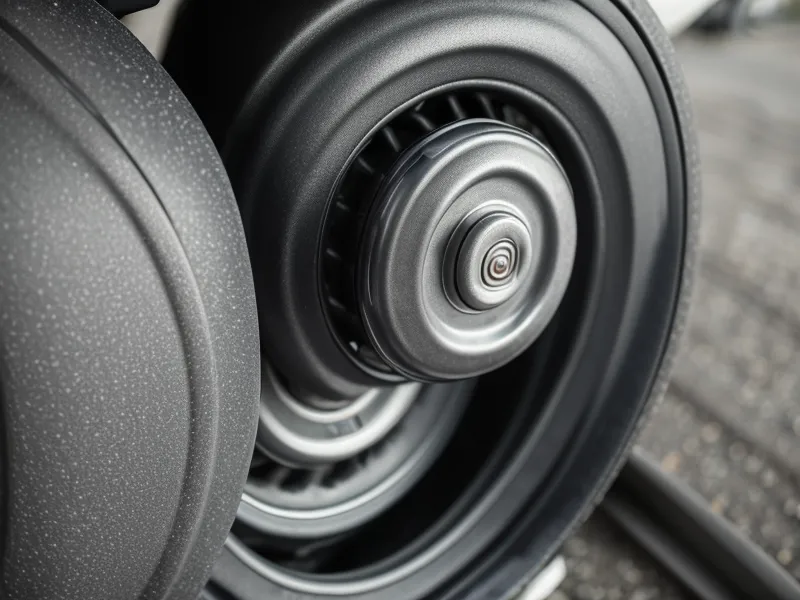
A neighbor of mine flies radio-controlled planes out at Eagle Creek Airpark most Sunday mornings, and he's the one who explained why magnesium chloride — the stuff cities spray down once temperatures drop lower than plain rock salt can handle — eats through unprotected metal faster than salt alone does. Wheel housings come in a handful of basic build types, and which one your bag has decides whether a seized wheel turns into a five-minute fix or the reason you end up shopping for a new bag.
Does a Sealed Wheel Housing Actually Solve This?
Briggs & Riley seals its wheel housings more aggressively than Travelpro does, and it shows the first time you roll one through the same slush — no clicking, no drift, nothing you need to kick straight before boarding. That protection sits on top of a lifetime warranty that explicitly covers the kind of damage an airline handler causes rather than just factory defects, which is its own reason people pay the premium (for what it costs, I still wish the styling didn't look like a nineties boardroom accessory). Whether you want that kind of armor or a lighter soft-side that gives a little is really the hardshell-versus-soft-side question in miniature, and it's a bigger debate than just wheels.
The CX-2 compression system on those bags is a nice bonus if you're already paying for the sealed wheels — it buys room for another shirt or two without the zipper fighting you — but that's a packing feature, not a durability one (no matter how the catalog copy frames it), and it doesn't change what happens to the wheels themselves.
None of that sealing matters much if the bag gets gate-checked, though. The only stress test that actually convinced me the zipper track on my own Travelpro was solid came on a connection tight enough that the gate agent grabbed the bag without asking and sent it down the ramp instead of the belt. I watched it get slung onto the tug, not rolled, and it came up at the aircraft door with the pull still fully seated and nothing sprung. By the return leg on that same trip, the zipper tape at the corner had stiffened up from the dry cabin air and the cold jet bridge, enough that it took an extra shove to get the pull the rest of the way around. Every gate-check is its own referendum on wheels and zippers both, since that's the moment a bag actually gets thrown instead of pushed.
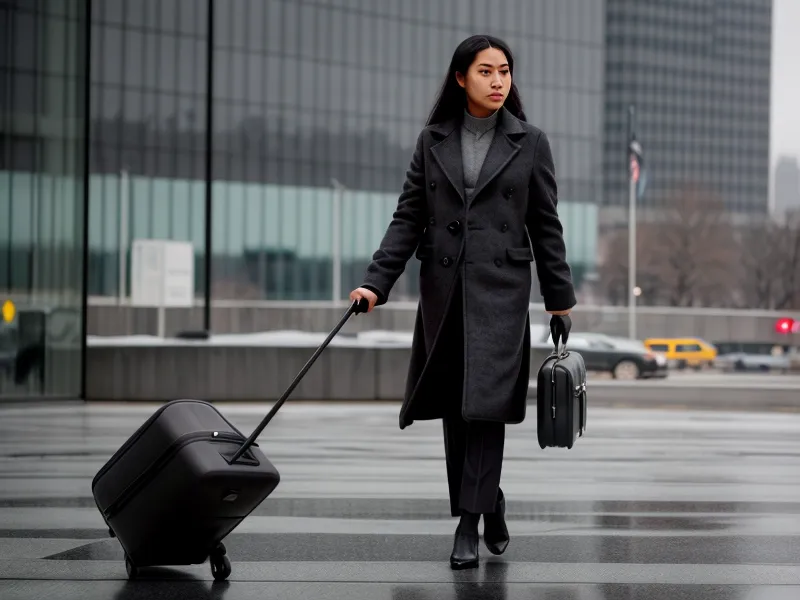
The Fix Takes Twenty Minutes, Which Is the Real Selling Point
Not every fix I've tried has actually worked. I went through a stretch of using compression bags to squeeze extra winter layers into the same carry-on, and while they bought me the space, my dress shirts came out looking slept-in by the time I reached the hotel — proof that a real packing system matters more than raw compression, though that's a subject for another day.
Travelpro's own lineup runs from the budget-minded Maxlite up through the sturdier Platinum Elite tier, so "Travelpro" isn't really one single answer to the salt question — it depends which shelf you're buying from. Aluminum-shell bags like LEVEL8 sidestep the corrosion question almost entirely, though a dent in that frame stays a dent instead of flexing back out the way polycarbonate does. I won't get into zipper-tooth brands here, but the pull and the track matter just as much as which wheel you end up with.
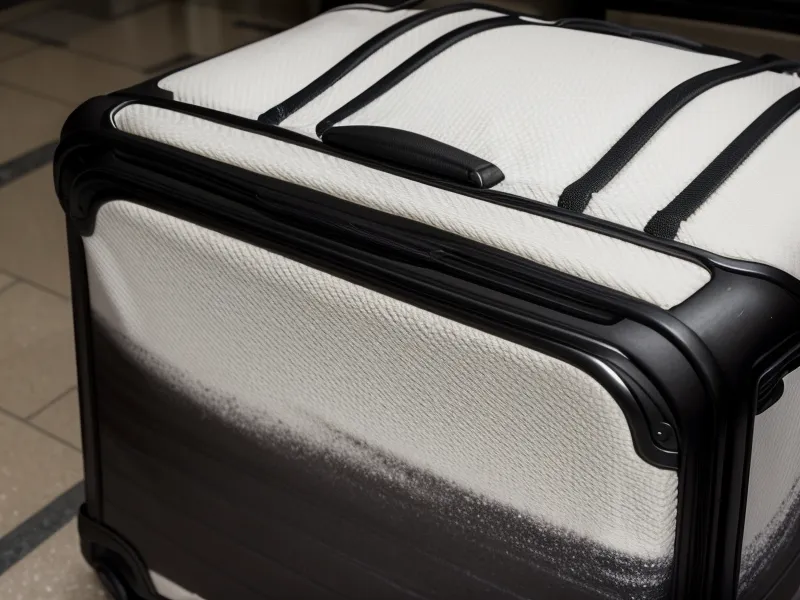
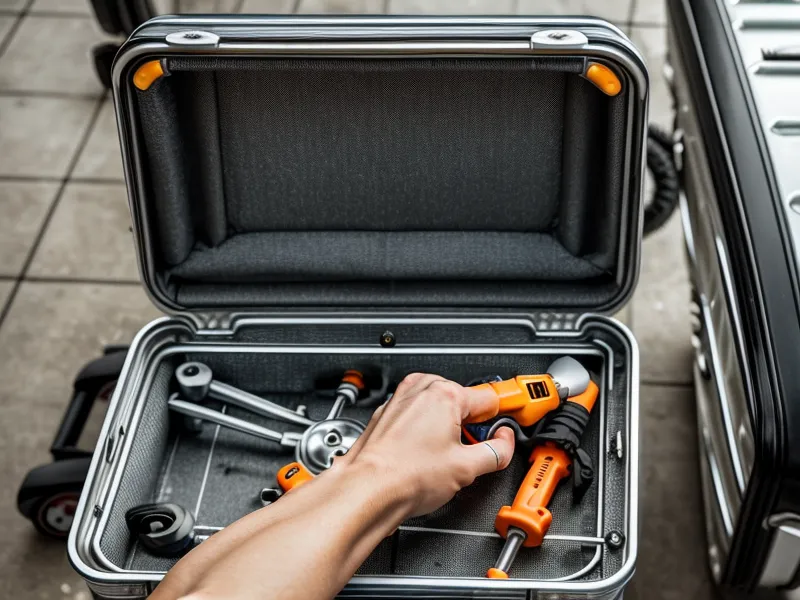
When the front wheel on my Maxlite finally seized hard enough that kicking it wouldn't help anymore, replacing the housing took about twenty minutes with a screwdriver and a part that wasn't hard to track down — no shop, no shipping the bag off for warranty service. Wheels tend to go before zippers do, and zippers tend to go before the frame itself gives out, which is worth knowing before a trip if you're deciding what to actually check beforehand. A stuck zipper mid-trip is a completely different fix than a stuck wheel, and neither one means the bag is finished. It's also the reason I keep recommending Travelpro luggage for heavy use on regional routes — the parts are replaceable enough that a seized wheel doesn't end the relationship.
Skip the Parking Lot Problem Entirely
There's a third option that has nothing to do with wheel construction at all: don't roll the bag through the salt to begin with. Services like Luggage Forward pick up your bag at the door and deliver it to the hotel, so the only wheels touching winter pavement belong to the delivery van. It only makes financial sense once you're shipping oversize gear or a second bag's worth of stuff, and the ground-transit buffer it needs rules it out for anything booked at the last minute. You're also trusting a hotel front desk to actually hold the box until you check in, which is its own small logistics puzzle you don't have with a bag on your own back. Carry-on size limits already shift by carrier and by aircraft before bin space even enters the conversation, so wheels are just one more variable in a system that was never standardized to begin with.
Which One Actually Makes Sense for Your Trips
So here's where it actually lands, once you strip away the marketing. Buy the exposed-bearing bag when you fly often enough that the lighter weight matters every single day and you don't mind an occasional twenty-minute repair job — that's the case for Travelpro, and it's why the Maxlite keeps ending up back in my closet instead of on a donation pile. Pay for the sealed, heavier Briggs & Riley when you'd rather never think about wheel maintenance at all and the warranty and the extra packing room justify the weight in your shoulder. And if you're hauling sample cases or enough gear that checked-bag fees were already built into the budget, skip the parking lot altogether and let Luggage Forward deal with the salt instead — just don't make the first time you use it a trip that actually matters.
None of this makes the decision for you, but it should narrow it. Winter in a place that salts its roads is genuinely a different luggage problem than the same bag would face flying out of a warm-climate airport, and the standard carry-on size rules you're already juggling don't get any easier once the sidewalks turn white. Pick the tradeoff you can actually live with, keep a screwdriver in the closet just in case, and let the bag do the arguing with the pavement instead of your shoulder.